Infrared Sauna vs Traditional Sauna: Which Heat Experience Is Right for You?
By Dr. Zeeshan Siddiqui · 8 min read · Cheltenham, Victoria

This article provides general educational information and is not personalised medical advice. Sauna use is not suitable for everyone. Speak with your GP or treating health professional before using heat therapy if you are pregnant, have cardiovascular or blood-pressure concerns, take medicines that affect hydration or temperature regulation, or have another relevant health condition.
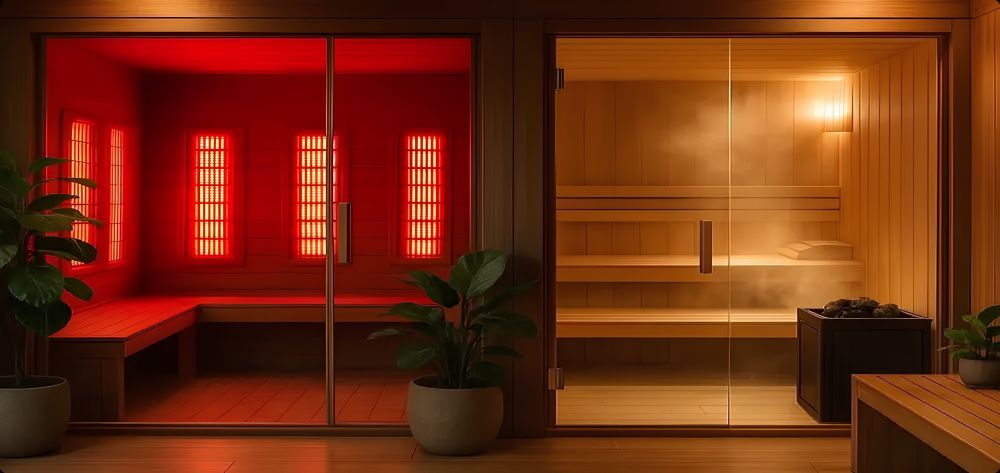
QUICK ANSWER An infrared sauna uses infrared energy to warm the body while operating at a lower air temperature. A traditional sauna heats the surrounding air, which then heats the body. Both can produce warmth, sweating and a relaxing experience. Infrared sauna is often the easier option for people who dislike very hot air, while traditional sauna suits those who enjoy an intense, high-temperature environment. Neither is automatically “better”; the right choice depends on your comfort, goals and health circumstances.
You step into a sauna expecting one simple thing: heat. Then you are met with a list of choices. Infrared or traditional? Lower temperature or higher temperature? Dry air or steam? Recovery session or relaxation ritual? The online answer is often too neat. Infrared sauna is sometimes presented as a modern replacement for every other form of heat therapy, while traditional sauna is treated as the only option supported by research. The reality is more useful than either claim. Both approaches expose the body to heat, but the way that heat is delivered, the temperature you feel and the strength of the available evidence are not identical. Understanding those differences can help you choose a session you are comfortable repeating, rather than one that simply sounds impressive.
How an Infrared Sauna Actually Works
An infrared sauna uses infrared emitters to transfer heat energy towards the body. Unlike ultraviolet light, infrared is non-ionising and is experienced as heat. The cabin air also becomes warm, but it does not usually need to reach the same temperature as a traditional sauna for the user to feel a strong thermal effect. During a session, the body responds to heat by increasing blood flow towards the skin and producing sweat to help regulate temperature. Heart rate may rise, although the response varies with the temperature, duration, hydration level and the individual. This lower-air-temperature experience is the main practical reason many people prefer infrared sauna. The session can still feel deeply warm, but the air may be easier to tolerate for someone who finds a conventional sauna overwhelming. It is important to separate this established heating effect from exaggerated marketing. Sweating is primarily a temperature-control process. Your liver and kidneys perform most of the body's detoxification work, so an infrared sauna should not be promoted as a cure or as a way to remove unspecified “toxins”.
What Heat Therapy Is Actually Backed By
Relaxation and a Sense of Wellbeing
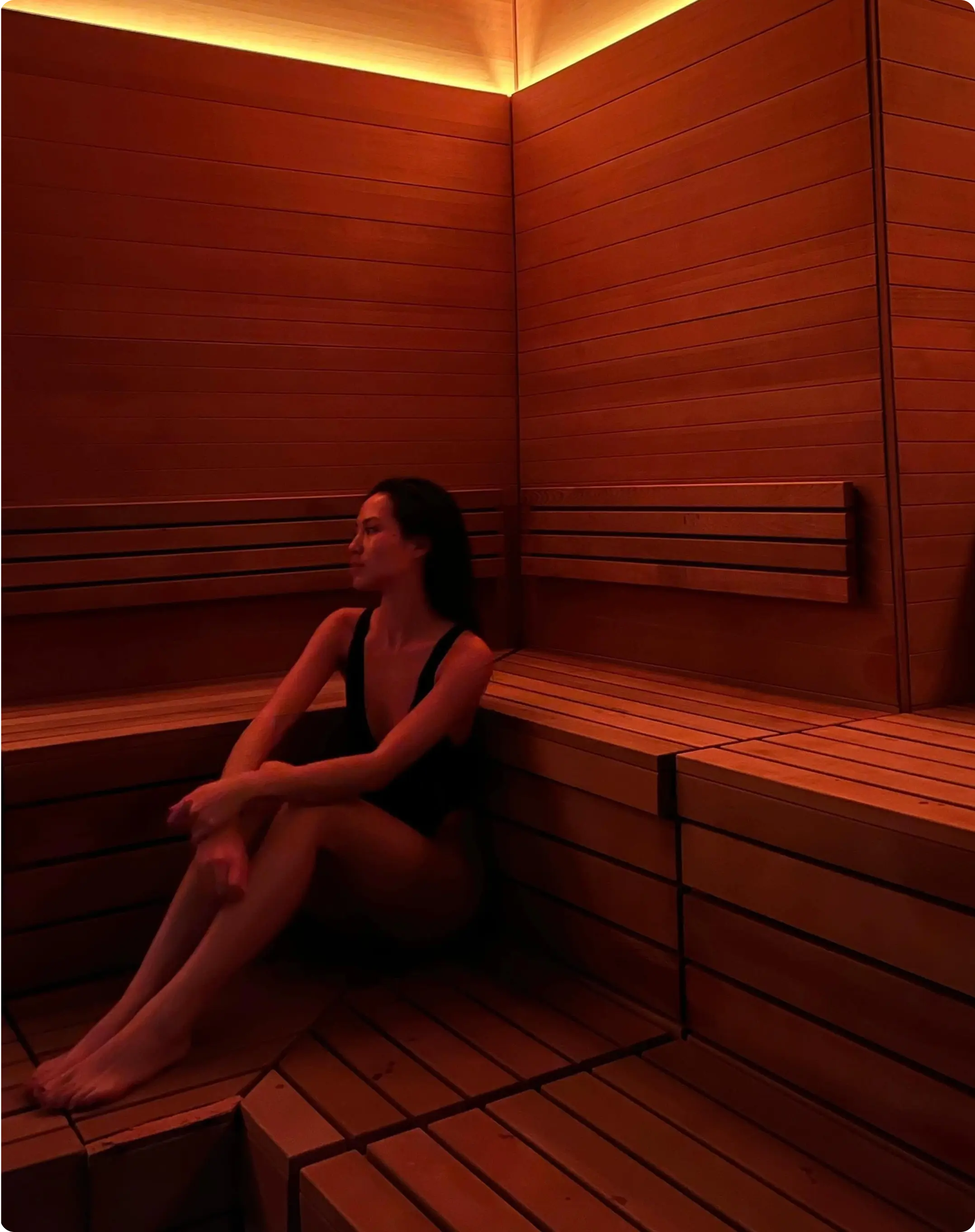
The most immediate reason people use a sauna is also the least complicated: sitting quietly in a warm environment can feel relaxing. Some people find that a scheduled session gives them space to slow down, release physical tension and mentally switch off. Heat exposure should not be described as a treatment for anxiety, insomnia or another medical condition. However, as part of a broader wellbeing routine, an infrared sauna may help create a calm transition after work, training or a demanding week.
Circulatory and Cardiovascular Responses
Heat causes blood vessels near the skin to widen as the body works to release warmth. This changes circulation during a session and can increase cardiovascular demand. Research into sauna bathing has reported associations between frequent sauna use and favourable cardiovascular outcomes, but much of the strongest long-term evidence comes from traditional Finnish sauna use rather than modern infrared cabins. That distinction matters. An association does not prove that sauna alone caused the outcome, and results from one type of sauna cannot automatically be transferred to another. Small studies of infrared sauna have identified measurable thermoregulatory responses, but larger and longer trials are still needed before making broad medical claims.
Muscle Comfort and Post-Exercise Recovery
Warmth can feel soothing after physical activity, especially when muscles feel tight or the body needs time to wind down. Some people use infrared sauna after gym sessions, running or sport because the gentler environment feels more comfortable than high heat. The honest claim is that infrared sauna may support relaxation and perceived recovery. It is not a replacement for sleep, hydration, appropriate nutrition, progressive training or assessment of an injury. Pain that is severe, persistent or linked to swelling, weakness or reduced movement should be assessed by a qualified health professional.
Sweating and “Detox” Claims
Infrared sauna makes many people sweat, but more sweat does not necessarily mean more health benefit. Sweat is largely water and electrolytes. Although trace substances can appear in sweat, there is not good evidence that a sauna meaningfully replaces the body's normal detoxification systems. A more accurate reason to book a session is the heat experience itself: warmth, relaxation and a structured recovery ritual. Those benefits do not need an inflated detox promise to be worthwhile.
A Practical Rule for Choosing a Sauna
Choose the environment you can use comfortably and consistently. • Choose infrared sauna if you prefer a lower air temperature, dislike the intensity of very hot air or want a quiet heat-based recovery session. • Choose a traditional sauna if you enjoy a hotter cabin, prefer the classic Finnish-style experience and tolerate intense heat well. • Choose neither without medical guidance if heat exposure may be unsafe because of your health, pregnancy, medication or recent illness. The best session is not the one with the highest temperature or the most sweat. It is the one that fits your health circumstances and leaves you feeling well rather than depleted.
Infrared Sauna vs Traditional Sauna: A Straight Comparison
| Feature | Infrared sauna | Traditional sauna |
|---|---|---|
| How heat is delivered | Infrared emitters transfer heat towards the body while also warming the cabin | A heater warms the surrounding air, which heats the body |
| Typical experience | Gentler air temperature with direct-feeling warmth | Hotter, more intense ambient heat |
| Humidity | Usually dry | Usually dry, although water may be added to hot stones to create brief humidity |
| Comfort | Often preferred by people who struggle with very hot air | Often preferred by people who enjoy strong, enveloping heat |
| Common reasons for use | Relaxation, warmth and perceived post-exercise recovery | Relaxation, social or cultural practice and general heat exposure |
| Evidence | Promising but comparatively limited and often based on small or condition-specific studies | Stronger long-term observational evidence, especially for Finnish sauna bathing |
| Important limitation | Infrared-specific claims are often overstated by borrowing evidence from traditional sauna research | Long-term associations do not prove sauna use directly caused the reported outcomes |
Which Sauna Is Better After Exercise?
There is no universal winner. After exercise, an infrared sauna may feel more manageable because the cabin operates at a lower air temperature. A traditional sauna may appeal to someone who already enjoys higher heat and has used it comfortably before. Timing and hydration matter more than marketing labels. Exercise has already increased your body temperature and fluid loss. Going straight into a long or intense sauna session can add to that strain. Cool down first, drink water, and keep the initial session conservative. Stop immediately if you feel dizzy, nauseated, weak, unusually short of breath or unwell. Sauna use should support a sensible recovery plan, not compensate for overtraining or encourage you to ignore pain.
How Long Should an Infrared Sauna Session Be?
There is no single ideal duration for every person. Session length depends on the equipment, temperature, previous heat exposure, health status and the provider's protocol. For a first visit, follow the guidance provided by trained staff rather than trying to tolerate the maximum possible time. A shorter comfortable session gives you useful information about how your body responds. Longer and hotter are not automatically better. Before your appointment: 1. Arrive adequately hydrated. 2. Avoid alcohol before and immediately after the session. 3. Tell staff about relevant health conditions and medicines. 4. Wear suitable light clothing as advised by the venue. 5. Allow time to cool down and rehydrate afterwards.
Who Should Be Careful With Infrared Sauna Use?
Heat exposure can affect circulation, blood pressure, fluid balance and body temperature. Seek medical advice before booking if you have unstable cardiovascular disease, poorly controlled blood pressure, a history of fainting, impaired heat regulation, or a condition that affects sweating or sensation. Extra care is also appropriate during pregnancy, when taking medicines that influence blood pressure or hydration, and after illness involving fever, vomiting or diarrhoea. Do not use a sauna while affected by alcohol or recreational drugs. Leave the sauna and alert staff if you feel dizzy, faint, confused, nauseated, develop chest discomfort or experience unusual breathing difficulty. A session should feel warm and controlled, not like an endurance test.
How We Approach Infrared Sauna at Cryo SubZero
At Cryo SubZero in Cheltenham, infrared sauna is treated as a practical heat-based wellness and recovery option, not a miracle cure. The focus is on a comfortable session, clear guidance and realistic expectations. Some clients use it as a stand-alone relaxation session. Others include it in a broader recovery routine alongside exercise, rest and appropriate professional care. The team can explain what to expect, help you prepare and discuss whether another available service is more relevant to your goals. If you are comparing infrared sauna with whole-body cryotherapy, remember that they create very different temperature exposures. Sauna uses sustained warmth; cryotherapy uses brief, controlled cold exposure. Neither is universally superior, and combining them should be based on your goals, experience and suitability rather than the idea that more extreme temperatures must produce better results.
Book an Infrared Sauna Session in Cheltenham
Want to experience infrared sauna without the intense air temperature of a traditional sauna? Speak with the Cryo SubZero team about what to expect and whether the session suits your recovery or relaxation goals.
Frequently Asked Questions
Is an infrared sauna better than a traditional sauna?
Not for everyone. Infrared sauna may be better for people who prefer a lower air temperature, while a traditional sauna may suit those who enjoy intense heat. Traditional Finnish sauna has stronger long-term observational research, but comfort and suitability should guide the personal choice.
Does an infrared sauna burn fat or cause weight loss?
Any immediate decrease on the scales after a sauna is mainly fluid loss through sweating, not meaningful fat loss. Rehydration usually restores that weight. Sauna should not replace physical activity, nutrition or evidence-based weight-management advice.
Can I use an infrared sauna every day?
Safe frequency depends on your health, heat tolerance, hydration and the session protocol. More frequent use is not automatically more beneficial. Ask your healthcare professional for individual advice if you have a medical condition or take relevant medication.
What should I bring to an infrared sauna appointment?
Bring water and follow the venue's clothing and towel guidance. Arrive hydrated, avoid alcohol, and tell the team about any health issue or medication that could affect your response to heat.
Where can I book an infrared sauna near Cheltenham or Bayside Melbourne?
Cryo SubZero offers infrared sauna sessions at Level 1, 284 Bay Road, Cheltenham VIC 3192. Review the service information or contact the team before booking if you have questions about suitability.
The Bottom Line
Infrared and traditional saunas share the same broad purpose: controlled heat exposure. The meaningful difference is how that heat reaches you and how the experience feels. Infrared sauna offers a lower-air-temperature option that many people find comfortable for relaxation and perceived recovery. Traditional sauna provides a hotter, classic experience and currently has the stronger body of long-term population research. Neither should be marketed as a detox cure, a shortcut to fat loss or a guaranteed treatment for illness. Choose the format that suits your body, use it responsibly and judge the session by how well it supports your routine, not by how much you sweat.
References
- Hussain J, Cohen M. Clinical Effects of Regular Dry Sauna Bathing: A Systematic Review. Evidence-Based Complementary and Alternative Medicine. 2018.
- Laukkanen JA, Laukkanen T, Kunutsor SK. Cardiovascular and Other Health Benefits of Sauna Bathing: A Review of the Evidence. Mayo Clinic Proceedings. 2018.
- Laukkanen T, Khan H, Zaccardi F, Laukkanen JA. Association Between Sauna Bathing and Fatal Cardiovascular and All-Cause Mortality Events. JAMA Internal Medicine. 2015.
- Hussain JN, Greaves RF, Cohen MM. Infrared Sauna as Exercise-Mimetic? Physiological Responses to Infrared Sauna Versus Moderate-Intensity Exercise. Complementary Therapies in Medicine. 2022.
- Källström M, Soveri I, Oldgren J, et al. Effects of Sauna Bath on Heart Failure: A Systematic Review and Meta-Analysis. Clinical Cardiology. 2018