Cryotherapy for Cricketers:
What the Evidence Actually Says for T20 and Test Cricket
By Dr. Zeeshan Siddiqui | Cryo SubZero Wellness & Longevity

The information shared in this article is for general educational and wellness purposes only and is not intended to replace medical advice, diagnosis, or treatment. Always consult a qualified healthcare professional regarding any health concerns. Results may vary between individuals. Cryo SubZero offers wellness services and does not provide medical treatment.
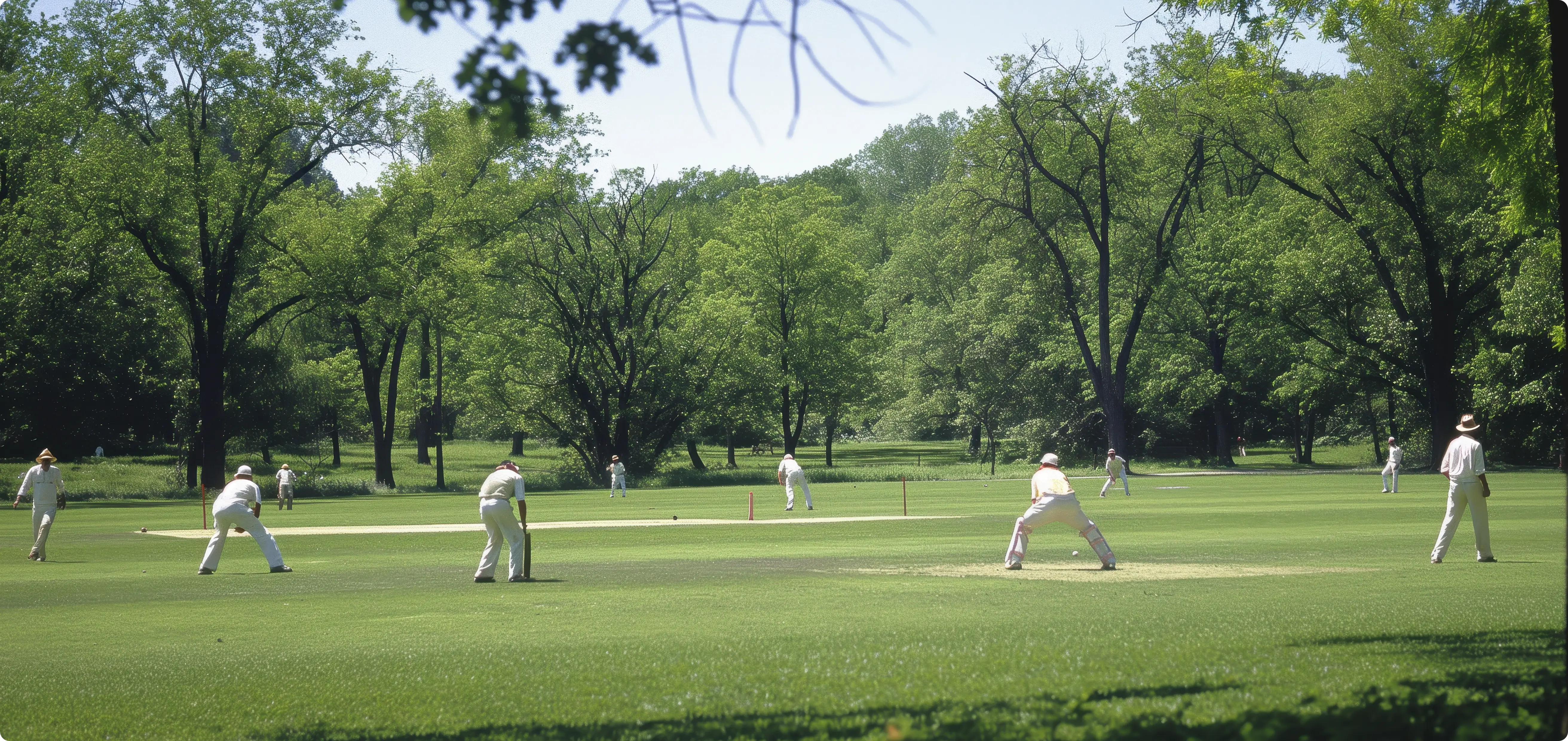
Cricket asks two completely different things of the body depending on the format. A Big Bash season packs games into short, dense windows with barely two or three days between matches. A Sheffield Shield or Test match asks a fast bowler to send down 20 to 25 overs a day for five straight days, then back it up again a few days later. Different loads, same underlying problem: the body needs to recover faster than the schedule wants to let it. Cryotherapy has become a fixture in professional cricket recovery rooms over the past decade, sitting alongside ice baths, compression, and physio work. But there's a difference between something being popular in elite sport and something being proven. Worth separating the two before you decide it belongs in your own recovery week.
What whole body cryotherapy actually does
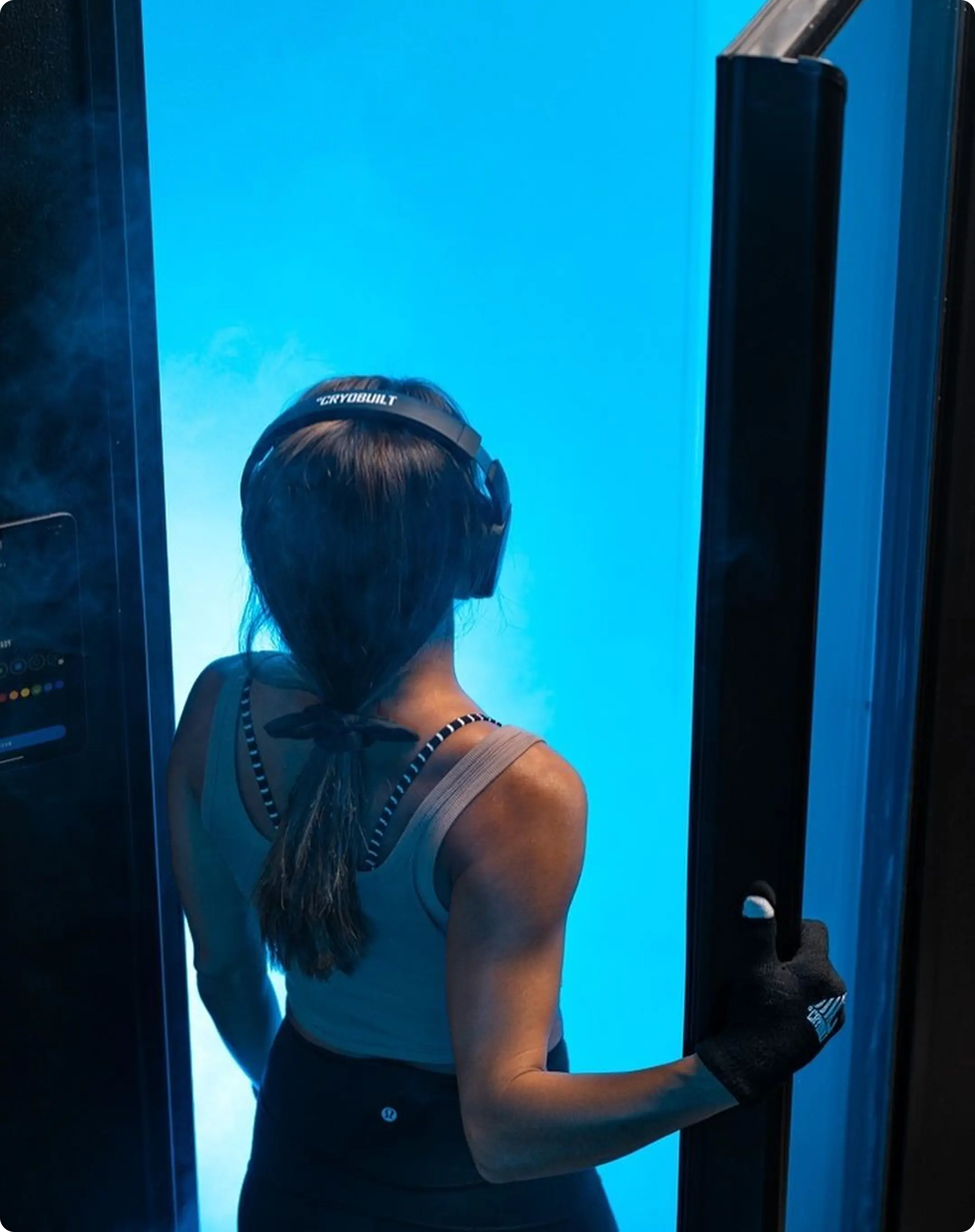
A session in a cryotherapy chamber exposes the body to extremely cold, dry air for two to three minutes, usually well below minus 100°C. The skin temperature drops fast, which triggers vasoconstriction (blood vessels narrowing) at the surface and a compensatory rush of blood back to the core once you step out. That process is thought to help flush metabolic waste products and reduce the inflammatory response that follows hard training or a long bowling spell. The mechanism is well understood. What's less settled is how much of a measurable difference it makes to the markers that matter, things like creatine kinase (a marker of muscle damage) and how much soreness an athlete actually reports the next day.
"cryotherapy has reasonable biological rationale and decent support for reducing perceived soreness, weaker and more mixed evidence for shifting hard physiological markers, and it works best as one part of a recovery stack rather than a standalone fix."
What the research says, without overselling it
A Cochrane systematic review looked specifically at whole body cryotherapy for delayed onset muscle soreness, or DOMS, and found it may reduce the subjective feeling of soreness after exercise, but the certainty of that evidence was rated low, and the review was clear that better designed trials are still needed. The theory is that cooling reduces muscle and skin tissue temperature enough to affect receptor sensitivity and nerve conduction, which is one explanation for why athletes report feeling better even where objective markers don't always move as much A more recent dosage study in elite rugby league, a sport with a genuinely comparable collision and workload profile to fast bowling, found that a single whole body cryotherapy exposure after a match didn't shift cortisol patterns, but two consecutive exposures were associated with a better testosterone to cortisol ratio at 60 hours post match compared to no exposure at all, suggesting dosing matters more than simply doing "a cryo session" and calling it done. On the practical side, sports physiotherapists working inside professional cricket have described how cold therapy actually gets used day to day. Ice is applied to bowlers' shoulders and wicketkeepers' knees for 15 to 20 minutes after play, with the goal being to bring tissue temperature down quickly and keep developing inflammation in check before it compounds over a long tour. That's the same logic whole body cryotherapy applies at a systemic level rather than a local one.
Why the format changes how it should be used
In T20 and Big Bash cricket, the problem is frequency. Games come every two to three days, sometimes with travel in between, and there's no long taper to recover on. A quick session that helps players front up feeling fresher for the next match, without needing hours of downtime, fits that calendar far better than a long rehab protocol would. In the longer formats, the problem is accumulated load rather than frequency. Afast bowler across a five day Test match is managing cumulative micro damage to the same tissues, day after day, inside the same match. Here cryotherapy tends to work better as part of a nightly routine across the match, alongside sleep and nutrition, rather than a one off session after the final ball is bowled.
How we approach it at Cryo SubZero
Our chamber runs to minus 115°C, colder than most commercial setups in Melbourne, which means shorter exposure times can still achieve the physiological response players are after. For cricketers, we typically pair a cryotherapy session with lymphatic drainage or infrared sauna work depending on whether the priority that week is inflammation control or muscle tension, rather than treating cryotherapy as a solve everything session on its own. Clinical oversight from Dr Aftab Samdani means contraindications are actually screened for, not assumed away, which matters more in a sport with real injury history like side strains and stress fractures than most wellness marketing lets on.
References
- Costello JT, Baker PRA, Minett GM, Bieuzen F, Stewart IB, Bleakley C. Whole-body cryotherapy (extreme cold air exposure) for preventing and treating muscle soreness after exercise in adults. Cochrane Database of Systematic Reviews. doi.org/10.1002/14651858.CD010789.pub2
- Naylor AS, Edwards BJ, Robertson CM. Effects of treatment dosage of whole-body cryotherapy upon post-match recovery of endocrine and biochemical markers in elite rugby league players. Health Science Reports. doi.org/10.1002/hsr2.1227
- Recovery methods and lactic acid response in medium pace cricket bowlers. Kheljournal, 2023. kheljournal.com
- Leipus A. Methods of recovery used in cricket. ESPNcricinfo. espncricinfo.com